
Australian Weather: The Reality Nobody Mentions Before You Arrive
The tourism version of Australian weather is beaches, sunshine, and blue skies. The reality is more interesting than that — and more extreme. Sydney has humidity that surprises Europeans. Melbourne's weather changes dramatically within a single day in a way that sounds like an exaggeration until it happens to you. Darwin's wet season makes Southeast Asian monsoons look mild. And everywhere in Australia, the sun is stronger than anywhere most people have lived before. This is the weather guide that actually prepares you.
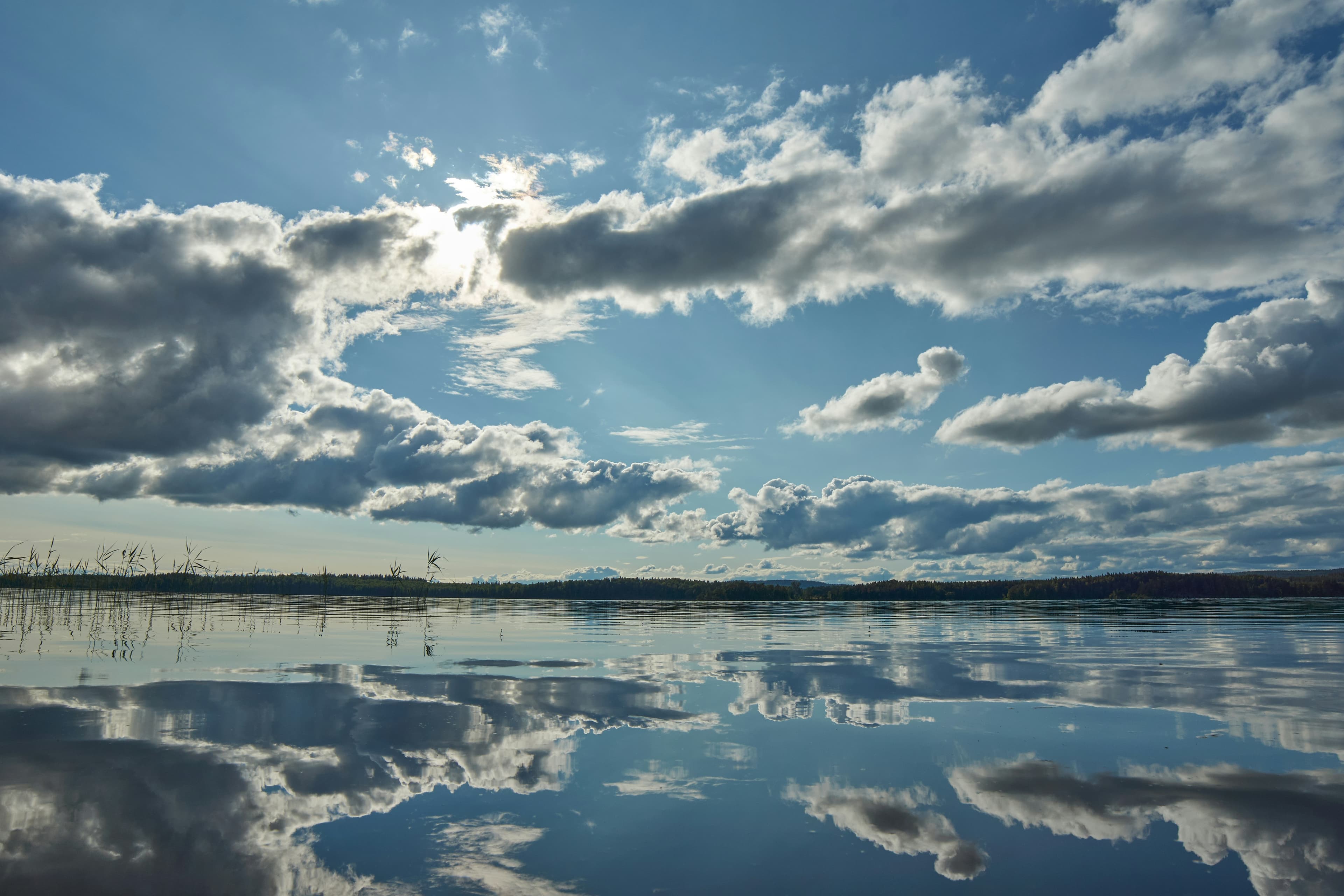
One of the most common things people say after their first Australian summer is that they understood intellectually that it would be hot — and then experienced something different from what "hot" had meant anywhere else they'd lived. Australia's UV radiation is among the highest in the world. Its bushfire seasons are a real and recurring part of life in most capital cities. And the climate variation between cities is large enough that moving from Melbourne to Darwin is, weatherwise, like moving to a different continent.
The Basics: Australia Has Six Very Different Climates
| City | Climate Type | Summer (Dec–Feb) | Winter (Jun–Aug) | The Thing Nobody Warns You About |
|---|---|---|---|---|
| Sydney | Humid subtropical | 28–35°C, humid | 8–17°C, mild | The humidity in January. It's not the temperature that exhausts you — it's the moisture. |
| Melbourne | Oceanic / temperate | 14–26°C average but 40°C+ heatwaves | 6–14°C, grey and rainy | Four completely different weather conditions in a single day. Not a metaphor. |
| Brisbane | Humid subtropical | 29–32°C, very humid, storms | 11–21°C, dry and sunny | Summer afternoon thunderstorms arrive fast and flood streets within 20 minutes. |
| Perth | Mediterranean | 30–38°C, dry heat | 8–18°C, wet season | Perth's summer heat is consistently intense — not heatwave events, just sustained 35–40°C for weeks at a time. |
| Adelaide | Mediterranean / semi-arid | 28–38°C, very dry | 7–15°C, wet and cold | Adelaide hits 40°C+ regularly in summer and drops to near-freezing on winter nights. The range is larger than people expect. |
| Darwin | Tropical savanna | Wet season: 32°C, monsoonal | Dry season: 30°C, perfect | The wet season isn't just rain — it's humidity so heavy that being outside feels like breathing through a hot towel. |
The UV Index — The Thing That Catches Everyone Off Guard
Australia has some of the highest UV radiation levels in the world — a consequence of its position close to the ozone hole over Antarctica, its latitude, and the clarity of its atmosphere. The UV index in an Australian summer regularly reaches 11 or 12 — classified as "extreme" — and on some summer days in cities like Brisbane and Darwin it reaches 14.
For comparison: a summer day in Seoul might reach UV index 8–9. A summer day in London rarely exceeds 7. A UV index of 11 in Brisbane on a January afternoon is not the same physiological experience as a UV index of 6 in Paris in July, even if the temperature feels similar.
⚠️ "Slip, Slop, Slap, Seek, Slide" — Australia's sun safety mantra Slip on a shirt. Slop on SPF 50+ sunscreen. Slap on a hat. Seek shade. Slide on sunglasses. This campaign has been running in Australia since 1981 and it's not nostalgia — it's genuinely necessary advice. Wear sunscreen daily from October to March even on cloudy days. UV radiation penetrates cloud cover. You can burn under an overcast sky in an Australian summer.
Sydney: The Humidity Problem
Sydney's climate is often described as mild and pleasant — and most of the year, it is. But Sydney's January and February are genuinely difficult for people arriving from drier climates or cooler European countries. The combination of 32–35°C temperatures with 70–80% humidity creates a heavy, enveloping heat that is physically different from dry heat.
For Korean arrivals, Sydney summer humidity is familiar — Seoul in August is similar. For British, French, and German arrivals, it is often a shock. The instinct is to stay indoors with air conditioning, which is the right instinct. Most Sydney homes and all offices are air-conditioned. The outdoor commute between air-conditioned spaces is where the humidity hits.
Sydney winters are mild by any European or Korean standard — temperatures rarely drop below 5°C in the city and are usually in the 10–17°C range. The catch is that Sydney homes are not well insulated. A Sydney winter morning indoors can feel colder than the temperature outside because the house has no heating system adequate to the job. Many Sydney properties rely on a single reverse-cycle air conditioner as their only heat source. Bring layers for indoors, not just outdoors.
Melbourne: The "Four Seasons in One Day" — What It Actually Means
Every Melbourne resident has a version of the same story: you leave the house in a T-shirt because it's 26°C and sunny, and arrive at your destination in 16°C wind and rain, and by the time you leave it's 32°C again. Melbourne's weather is genuinely variable in a way that other cities aren't — driven by cold air from the Southern Ocean colliding with warm continental air from the north.
The practical consequence is that Melbourne residents carry a jacket regardless of what the morning looks like. Not because they're pessimistic — because they're experienced. The Bureau of Meteorology's Melbourne forecast is checked multiple times per day by most residents because a sunny 9am does not predict a sunny 2pm.
Melbourne's summers also include heatwaves that are severe by any standard — temperatures above 40°C for three or more consecutive days occur most summers, sometimes reaching 43–44°C. These are the days when train tracks buckle, schools close, and elderly residents are at genuine risk. In a Melbourne heatwave, stay inside with air conditioning, drink water constantly, and do not exercise outdoors.
Melbourne winter is genuinely cold by Australian standards — wet, grey, and windy, with temperatures frequently dropping to 6–8°C. This surprises people who arrived imagining Australia as uniformly warm. It doesn't snow in Melbourne city, but it can snow in the hills 90 minutes away (Mount Buller, Falls Creek), and Melbourne winter weekends dressed for Korea or France — not for the beach.
Brisbane: Perfect Winters, Brutal Summers
Brisbane's weather is the most comfortable in Australia for about eight months of the year — April to November is genuinely pleasant, warm, and sunny without the oppressive humidity of summer. Brisbane winters (June to August) are mild enough to be mistaken for a British or French summer: 11–21°C, clear skies, no rain. It's the reason people moving from Melbourne to Brisbane feel like they've moved to a holiday destination.
The catch is December to March. Brisbane's summer is hot, humid, and punctuated by sudden, violent thunderstorms that arrive with minimal warning and dump enormous amounts of rain in very short periods. These are not light afternoon showers — they're rapid-onset deluges that flood streets, cut power, and produce hail the size of golf balls in severe events. Brisbane's flood history is significant: the 2011 and 2022 floods both caused major damage to suburbs that appeared safe.
For arrivals from Southeast Asia, Brisbane summer feels familiar — the climate is genuinely close to Manila, Ho Chi Minh City, or Jakarta. The thunderstorm pattern, the humidity, and the tropical vegetation all rhyme. For Korean and European arrivals, the summer adjustment is real and takes a season or two to fully adapt to.
Perth: Dry Heat and the Long Summer
Perth has a Mediterranean climate — hot, dry summers and mild, wet winters — and the summer heat is consistently and genuinely extreme. Unlike Melbourne's heatwaves, which are events, Perth's heat is a season. December through February regularly sees temperatures above 35°C, with days above 40°C not unusual. The difference from Melbourne's equivalent temperatures is that Perth's heat is dry — lower humidity makes it more bearable physically, but it also means dehydration happens faster and feels less obvious.
Perth is also the windiest capital city in Australia, with a persistent afternoon sea breeze called the Fremantle Doctor that arrives most summer afternoons and drops temperatures by 5–10°C. This makes Perth summers more liveable than the raw temperature suggests — 38°C with a strong sea breeze feels very different from 38°C in still, humid air.
Perth winters are when the rain arrives — June and July see most of Perth's annual rainfall. This surprises people who arrived in summer thinking Perth is always dry. Winter is genuinely rainy by Australian standards, though mild compared to European winters.
Bushfire Season — A Part of Australian Life
Bushfires are a regular part of summer in most Australian states — not rare events but an annual season that affects air quality, outdoor activities, and occasionally forces evacuations in outer suburban and regional areas. The bushfire season varies by state: October to March in NSW and Victoria, November to April in Queensland and Western Australia.
For people living in capital cities, the direct bushfire risk is low — major fires don't typically reach inner urban areas. The air quality impact is not low. During significant fire events, Sydney and Melbourne have recorded air quality readings worse than Beijing or Delhi — hazy orange skies, a pervasive smoke smell, and air quality advisories recommending people stay indoors and avoid exercise. These events can last days to weeks.
💡 What to do during poor air quality days The Bureau of Meteorology publishes air quality data at bom.gov.au, and most states have an AQI (Air Quality Index) app or website. On days rated "Hazardous" or "Very Poor," wear an N95 or P2 mask outdoors if you need to be outside, avoid outdoor exercise, and keep windows closed. The standard blue surgical masks do not filter smoke particles effectively — they need to be N95/P2 rated.
What to Pack — By City and Season
| City | Summer Essentials | Winter Essentials | Year-Round Must-Haves |
|---|---|---|---|
| Sydney | Light breathable fabrics, SPF 50+, umbrella | Mid-layer jacket, warm indoor layers | SPF 50+ daily, sunglasses, wide-brim hat |
| Melbourne | Layers you can remove, SPF 50+, sunglasses | Proper winter coat, waterproof shoes, layers | A jacket always in your bag — always |
| Brisbane | Light fabrics, SPF 50+, umbrella for afternoon storms | Light jacket for evenings only | SPF 50+ daily, sunglasses, insect repellent |
| Perth | Light fabrics, wide-brim hat, SPF 50+, large water bottle | Waterproof jacket, light mid-layer | SPF 50+ daily — Perth UV is extreme |
| Adelaide | Light fabrics, SPF 50+, wide-brim hat | Proper winter coat — Adelaide nights get cold | SPF 50+ daily, layers for variable days |
| Darwin | Wet season: light quick-dry fabrics, waterproof sandals | Dry season: light fabrics, light layer for evening AC | Insect repellent year-round — Darwin has mosquitoes |
I moved to Melbourne from Seoul in March, which is technically autumn. I packed for Korean autumn — a medium jacket and some layers. By July I was buying a proper woollen coat from a Melburnian who laughed gently and said "everyone does this." By January the following year I was checking the forecast three times before leaving the house and carrying a jacket on what looked like a perfect summer morning. That's Melbourne. It trains you.
The Bottom Line by City
Sydney is warm, humid in summer, mild in winter — and the houses are cold inside in July despite the mild outdoor temperatures. Melbourne is genuinely unpredictable on any given day, has real heatwaves in summer, and a proper cold wet winter. Brisbane is the easy climate for eight months and demands adjustment for four. Perth bakes in a dry Mediterranean heat for a long summer but has the best sea breeze in Australia. Adelaide has the biggest temperature range of any capital city. Darwin is tropical, and the wet season is genuinely intense.
In every city, in every season: wear sunscreen. Check the UV index before going outdoors. Australia's sun is not the same sun as the one you grew up with, and it takes less time than you'd expect to find out the hard way.
Find your Australian career
Search 1,020 Australian occupations — salary ranges, shortage ratings, and visa pathways in one place.
Explore Australian Careers →